Holidays on the Languedoc coast beside the Mediterranean
On the Languedoc coast, holidays naturally revolve around the Mediterranean.
Long sandy beaches stretch south from Hérault towards the Pyrénées-Orientales, passing lagoons, lively harbours and landscapes where the mountains gradually meet the sea. Visitors come for swimming and sunny outdoor days, but also for local markets, coastal villages and walks through the scrubland.
Whether travelling with children, as a couple or with friends, it is easy to move between relaxed beach days, water sports and short trips into the surrounding countryside.
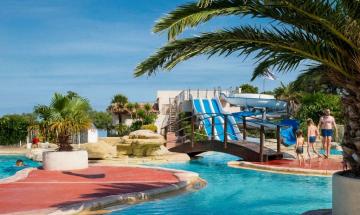
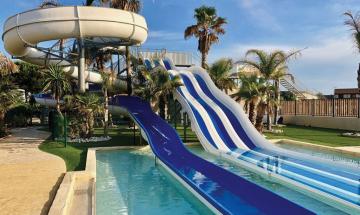
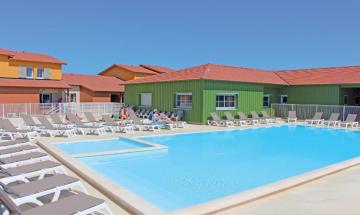
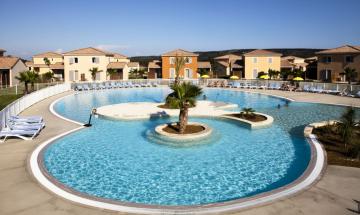
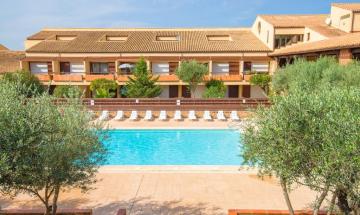
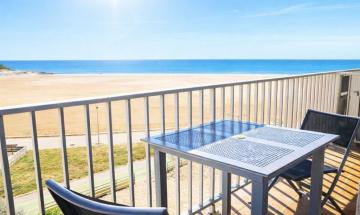
Why choose this destination for your holiday ?
The Languedoc shoreline never feels completely uniform. Around Marseillan, Portiragnes and Vendres, broad sandy beaches provide plenty of space for swimming and family days beside the sea. Further south, near Leucate, Saint-Cyprien and Banyuls, lagoons, cliffs, rocky coves and the foothills of the Pyrenees create a more dramatic landscape.
There is also much more to explore beyond the beach. The Thau, Bages-Sigean and Leucate lagoons are shaped by birdlife, shellfish-farming villages and water-based activities. Sète, Pézenas, Narbonne and Collioure provide easy cultural and food-focused outings when you feel like changing the pace.
This is a coast that lends itself to unplanned days. A morning paddleboarding session can be followed by a market visit, a cycle ride or dinner beside the harbour. The flatter sections of the coast are convenient for families, while the Clape Massif, the Albères and the coastal headlands offer more demanding walks.
What you will love
- Choosing between broad sandy beaches and smaller rocky coves.
- Swimming in the usually gentler waters of the Mediterranean.
- Walking or cycling beside lagoons and wetlands.
- Trying sailing, paddleboarding, kitesurfing or snorkelling.
- Watching birds around the coastal lakes and reserves.
- Exploring the harbours of Sète, Marseillan and Leucate.
- Discovering both Languedoc and Catalan traditions.
- Tasting shellfish, fresh fish, tielles and produce from southern markets.
A holiday for every kind of traveller
Families will find broad beaches, gentle cycling routes and plenty of shared activities. A typical day can remain wonderfully simple: a morning swim, lunch near the harbour and an evening walk along the seafront.
Couples may prefer the quieter lagoons, southern coves and colourful villages. Sunset over the Thau Lagoon or dinner in Collioure creates an easy change of scene.
Water-sports enthusiasts can choose from sailing, paddleboarding, diving, snorkelling and kitesurfing at various points along the coast.
Nature lovers can explore dunes, wetlands, Mediterranean scrubland and coastal hills. Early mornings and the quieter months often reveal the landscapes at their best.
Heritage enthusiasts can combine beach time with historic towns, fishing traditions and local markets, without travelling far from the sea.
Essential places and experiences
- Thau Lagoon and Sète : The Thau Lagoon combines wetlands, shellfish-farming villages and local food traditions. Nearby Sète is known for its canals, fishing harbour and strong maritime identity.
- The Clape Massif, Gruissan and Narbonne : This area brings together limestone hills, beaches, lagoons and traditional villages. Narbonne adds a rewarding cultural stop with its historic centre and markets.
- Leucate and its cliffs : Leucate offers beaches, a lagoon and cliffs overlooking the Mediterranean. The area is particularly popular for wind-powered water sports.
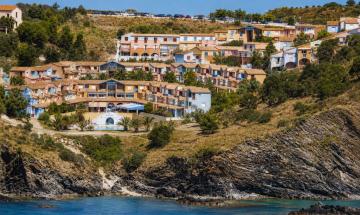
- Collioure and the Côte Vermeille : Further south, the broad beaches give way to rocky inlets and villages squeezed between the sea and the mountains. Collioure is the best-known stop, with its harbour, colourful buildings and Mediterranean setting.
- Montpellier and the Hérault countryside : Montpellier provides a lively urban interlude of squares, narrow streets and outdoor cafés. Inland, Lake Salagou stands out for its red earth, volcanic geology and walking opportunities.
FAQ
When is the best time to visit the Languedoc coast ?
May to September is ideal for beaches and water activities. June and September often provide warm weather with fewer visitors than the busiest summer weeks.
Where can you find wilder coastal scenery ?
Leucate, Banyuls and Cerbère offer more cliffs, coves and mountain scenery. Some beaches are smaller or reached by steeper paths.
What can you do besides visiting the beach ?
Explore Sète, Narbonne, Pézenas or Collioure, cycle beside the lagoons or walk through the Clape Massif and the Albères.
Is the coast suitable for cycling ?
Yes. Many coastal sections are flat and have routes linking beaches, harbours and natural areas. Strong winds can occasionally make cycling more demanding.
Is it often windy ?
The Tramontane and other regional winds can be strong, particularly around Aude and the Pyrénées-Orientales. These conditions also make the coast popular with sailors and kitesurfers.